
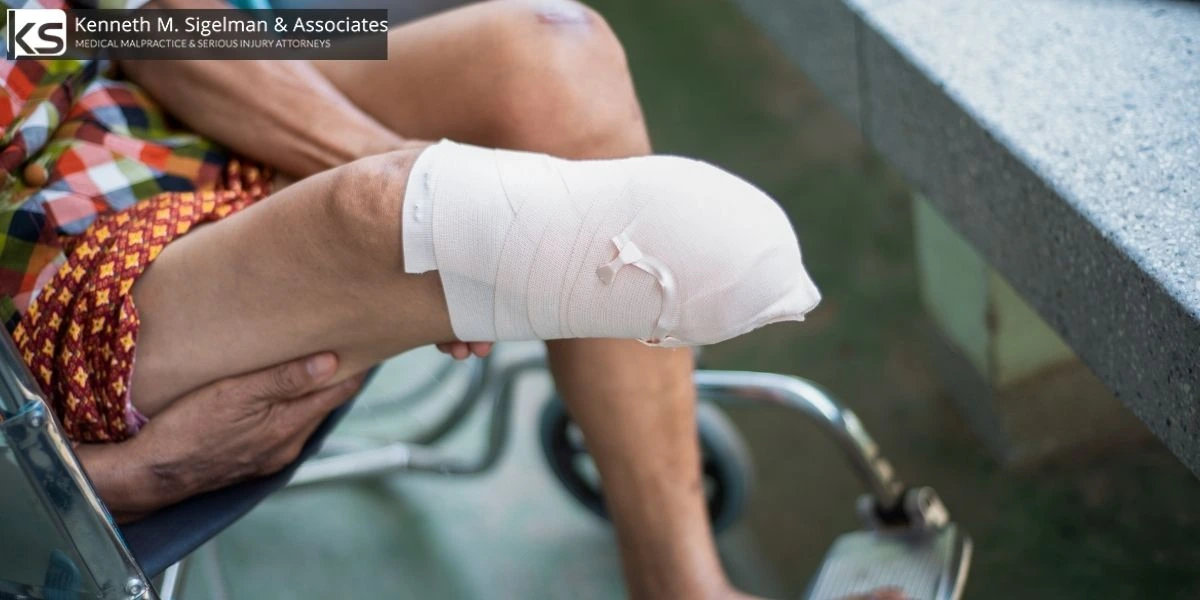
Losing a limb alters your life, changing how you engage with nearly all basic tasks. When that injury is caused by another’s carelessness, you could file a personal injury claim. How much is an amputation injury worth in California?
The value of a settlement ranges substantially based on many factors, including the type of amputation injury, how your injury occurred, and the insurance coverage limits you face.
The Impact of Amputation Injuries
In the U.S., there are an estimated 2.3 million people living with an amputation. One study estimated the direct cost of an amputation to be $50,062.30 for each patient, which does not account for any of the long-term medical needs or other effects on a person’s life.
Your Injury’s Severity and the Damages You Can Recover
One of the primary factors that influences the value of an amputation injury claim is how serious your injury is. A more severe injury likely has more medical treatment costs and affects more of your life, causing many measurable losses.
It’s important to consider all the potential immediate and long-term damages caused by an amputation and properly assess their value. Some of the damages you could recover include:
Medical Costs
Medical cost coverage covers a wide range of financial losses. This includes your immediate medical treatment needs, your rehabilitative care, and the long-term costs of your injury. There are numerous costs to consider, such as:
- Immediate medical care. This includes the cost of transport to the hospital, emergency treatment, surgeries, hospitalization, medications, and medical devices.
- Future care. This covers rehabilitative care and physical therapy, as you recover. It should also consider potential complications of your injury.
- Modificaciones en viviendas y vehículos. Depending on the severity of your injury, you may need modifications to be made to your home or vehicle to ensure they are accessible to you. This might include ramps on the exterior, chair lifts, wider doorways, accessible bathrooms, and other alterations.
- Prosthetics. Prosthetics are exceptionally costly but essential for many people. Not only is the initial prosthetic device costly, but natural wear and tear means they have to be replaced every few years. Prosthetic costs should also consider regular maintenance of the device, sockets, liners, fitting costs, adjustments, and repair costs. It is not one cost but a lifelong expense.
- At-home care. Your injury may require frequent at-home medical care or physical support during your daily life. Compensation should consider the long-term cost of that care.
Compensation for medical treatment is one type of economic damages, or direct financial losses from the injury. It’s important to retain medical documentation and bills from treatment to show the cost of your treatment in a claim. These costs can be extensive, so it’s crucial that you consider all the lifelong costs of the injury.
Lost Income and Lost Earning Potential
Another economic damage is your lost income. An amputation is a traumatic injury that can prevent you from working for weeks or months. When you have the grounds for a civil claim, you can recover the income and potentially benefits you lost as you physically recovered. If you missed work for necessary doctor’s appointments and other treatment needs, these losses could also be recovered.
Depending on your career, the amputation may permanently prevent you from working in the same field or require you to work fewer hours. This is especially likely for blue-collar workers and employees in manual fields.
In these cases, your claim could recover the wages you should have earned throughout your career, making up the difference in income that you lost by working a lower-paying job, a job with less upward mobility, or being unable to work at all. It might also help you pay for vocational training to change careers or complete different work duties.
Non-economic Damages
In addition to economic damages, you could recover non-economic damages in a civil personal injury claim. These damages include intangible losses like:
- Dolor y sufrimiento
- Reduced enjoyment of life
- Trauma emocional
- Calidad de vida reducida
- Discapacidad
- Disfigurement
- Phantom pain
- Loss of consortium with a spouse
These damages compensate you for psychological injuries, the impact on your hobbies, activities, exercise, and ability to complete daily tasks. These damages are incredibly hard to assess for most people, so it helps to work with professionals. You can assess non-economic damages based on factors like the value of your economic damages, the number of days your injury affects your life, and similar awards in amputation cases like yours.
In California, non-economic damages are not automatically capped in a civil injury claim. However, if your injury occurred because of medical malpractice, then damages are capped. In 2026, the cap for non-economic damages in medical malpractice injury claims is $470,000. This increases by $40,000 every year until 2034, up to a set amount, so it will be $510,000 in 2027.
Punitive Damages
In rare cases, you may be able to recover punitive damages, although this depends entirely on the circumstances of your accident and injury. Economic and non-economic damages exist to compensate for your loss, while punitive damages are intended to punish the at-fault party for their behavior. You could recover these damages if the other party is found guilty of:
- Oppression, meaning they acted in a way that caused you unjust hardship and disregarded your rights knowingly.
- Fraud, meaning they purposefully concealed or misrepresented a fact to you, which led to your injury.
- Malice, meaning they intended to cause you harm, or acted with willful indifference to the health and rights of other people.
What Are Common Causes of Amputation Injuries in California?
How an amputation injury happens can affect the costs you can recover. Amputation injuries can occur from traumatic injury or surgical intervention in many different accidents, like:
- Accidentes automovilísticos. Many traumatic injuries can occur in serious accidentes automovilísticos, including crushing injuries requiring amputation or traumatic amputations in the accident. There were 14,094 serious injury vehicle crashes in California in 2025, resulting in 16,192 serious injuries. Amputations are especially likely in severe accidents like commercial truck o accidentes de motocicleta.
- Medical malpractice cases. Errors during surgery, especially wrong-site or wrong-patient surgery, can lead to limb loss. So can errors like delaying diagnosis, misdiagnosing, or failing to treat infections. When these errors represent a failure of care, they can lead to medical malpractice claims. In 2025, there were 1,060 medical malpractice payment reports in California, including 649 against MD physicians. The reports in the state totaled $355.57 million.
- Accidentes de construccion. Serious incidents can occur on worksites like industrial and construction sites, including machinery malfunctions, caught-by accidents, vehicle collisions, falling objects, and collapsing structures. They can lead to traumatic limb loss or amputation through surgical intervention.
- Mordidas de perro. A dog attack can lead to infection or severe trauma that requires a medical amputation. Serious injuries are especially likely when the victim is a child or otherwise vulnerable. In the U.S., there were 21,011 hospitalizations from dog bites in 2024.
- Premises liability. Certain hazardous conditions on property can lead to traumatic injuries like amputations, and a negligent property owner might be liable. Fires, collapsing structures, explosions, or negligent security might lead to an amputation injury.
Other Factors That Impact a Settlement for an Amputation Injury in California
Injury severity and direct damages are not the only thing that impacts your settlement value. While you might be owed a certain amount of compensation for your damages, you will not always be able to recover that total. This is especially true if you do not work with professionals who can outline what damages you are owed, meaning you end up underestimating the compensation you deserve.
There are many other factors that impact the value of a settlement, like:
The Type of Injury
The type, location, and severity of amputation injury affect the damages you can recover.
- Location and level of injury. The loss of part of a finger affects your life less than the loss of an arm, and the value of a settlement will reflect the relative severity of the loss. Loss of a leg impacts mobility, requiring more compensation. Amputations above the elbow or knee also require higher compensation due to the reduced movement and more costly prosthetics. If your injury involves multiple amputations, this increases settlement value.
- Dominant vs. non-dominant. An injury that results in partial or full amputation on your dominant hand often affects more of your life and employment compared to your non-dominant hand, and compensation is higher to reflect that loss.
- Traumatic vs. surgical. A traumatic amputation is one that occurs in an accident, while a surgical amputation is one that is required due to medical intervention after serious burns, crushing injuries, surgical mistakes, infections, and other conditions. This changes the kind of accident that you were injured in, and it also can require unique types of mental and physical rehabilitative care, which can change compensation.
Your Age
When your injury occurs also impacts several damages you recover. If you are younger, the injury impacts more years of your life and requires more treatment, prosthetic replacements, and other damages. If you are closer to retiring, then you would have only earned income for a few years, so your earning potential damages are lower.
Partial Fault in the Accident
In California, you will not be barred from financial recovery if you had some responsibility in the accident, such as if you were slightly distracted in a crash or missed a visible hazard on someone’s property. As long as you were not 100% liable for the accident, you can still recover financial compensation.
However, your damages will likely be reduced by the percentage you were found at fault. This can impact your overall compensation. It’s important to have support to argue against claims of partial fault if they are unreasonable, or advocate to reduce the percentage you are found at fault to get sufficient compensation.
Evidence Supporting Your Claim
When there is more evidence that supports your amputation case, you have more leverage in settlement negotiations with the insurance company. This makes you more likely to recover fair compensation.
It makes it more obvious who was at fault and limits the insurance company’s ability to argue that you were to blame. It proves the severity of your injuries and the compensation you deserve, making it harder for the insurer to undermine your claim. When you have substantial supportive evidence, an insurer is more likely to offer you a faster, fairer settlement, rather than allow your strong claim to proceed to court.
Experienced Legal Support
Your settlement is more likely to be higher when you work with an experienced personal injury attorney. An attorney helps with every aspect of your claim, including gathering evidence to create a stronger claim, calculating the full and fair compensation you deserve, and advocating for your rights in negotiations or litigation.
The Type of Claim
The cause of your injury and the type of injury claim you can file also impacts your compensation. If you were hurt while working, you don’t have to prove that someone else was at fault, but you also cannot recover as much compensation. Workers’ compensation claims do not recover non-economic damages or punitive damages, and have limits on the income you can recover.
However, if you were hurt while working, you might also have the grounds to file a personal injury claim. If someone who was not an employer or coworker was negligent and made your injury happen, you could still recover the damages available in a personal injury claim. This might be the case if a contractor, a non-employee driver, or a defective and dangerous product led to your injury.
You can also file a civil claim for a workplace injury if another party, including an employer or coworker, purposefully caused your injury.
The type of claim you file affects your settlement in other ways. Filing for a dog bite injury is a different process than filing after a car accident, and it also affects the insurance company you file with.
Available Insurance Coverage
Many personal injury claims start with an insurance claim. This might include a homeowner’s insurance claim against a private property owner or dog owner, a claim against a hospital’s medical malpractice insurance, or a car insurance claim against a negligent driver. In these claims, you are likely limited by the insurance policy coverage limits. Certain insurers have much higher coverage limits, like a commercial trucking company’s insurance provider.
preguntas frecuentes
How Much Is an Amputated Leg Worth in a Civil Claim?
The value of an amputated leg in a civil personal injury claim depends on several factors. This kind of injury likely permanently disables you, requiring compensation for mobility aids like wheelchairs and the costs to modify your home to make it more accessible for you.
A claim for an amputated leg also has to consider the potential impact on your income and earning capacity, if you are unable to continue working in the same field. This all increases compensation.
What Is the Average Settlement for an Amputation Injury?
The average settlement for an amputation injury depends entirely on the severity of the injury, the grounds of your claim, insurance coverage, and many other factors. These injuries can result in permanent changes to your life, including permanent disability, and often have a much higher value because of that. The settlement should consider all the unique costs, financial and personal, that you are dealing with to provide reasonable compensation.
Will Surgery Increase My Settlement?
Yes, surgery will increase your settlement if it is medically necessary for your treatment. An injury claim against a negligent party should cover most or all of your medical treatment costs, so needing surgery will result in greater medical costs, and therefore more compensation to cover your losses. However, a claim will not recover costs that were not medically necessary.
Is It Important to Hire an Amputation Lawyer in California?
Yes, it is important to hire an amputation lawyer in California. If you were injured because a company or individual was reckless or careless with your well-being, you likely have grounds for a personal injury claim.
A lawyer can help you assess your claim and what damages you are owed. They can file your claim and help you understand how you can recover compensation through an insurance claim or through court, making the process easier on you.
Experienced California Amputation Attorney at Kenneth M. Sigelman & Associates
If you have suffered a limb loss, you need exceptional and experienced attorneys to support you in recovering damages. At Kenneth M. Sigelman y Asociados, we have years of experience handling complex injury claims. We can help you navigate civil claims, including those filed with the Civil Division for the Superior Court of California for the County of San Diego.
Ken Sigelman is a lawyer and medical doctor, giving him an exceptional understanding of amputation laws and the financial and personal losses of these serious injuries. This means our firm can work with fewer costly professionals to evaluate your injury. Ken Sigelman also has in-depth knowledge of medical malpractice injuries and cases because of his background.
Working with our team makes it easier for you to recover fair compensation, meet key legal deadlines, and understand all your compensation options after a life-altering incident. Contact our firm today and learn how we can help.

 EN
EN