
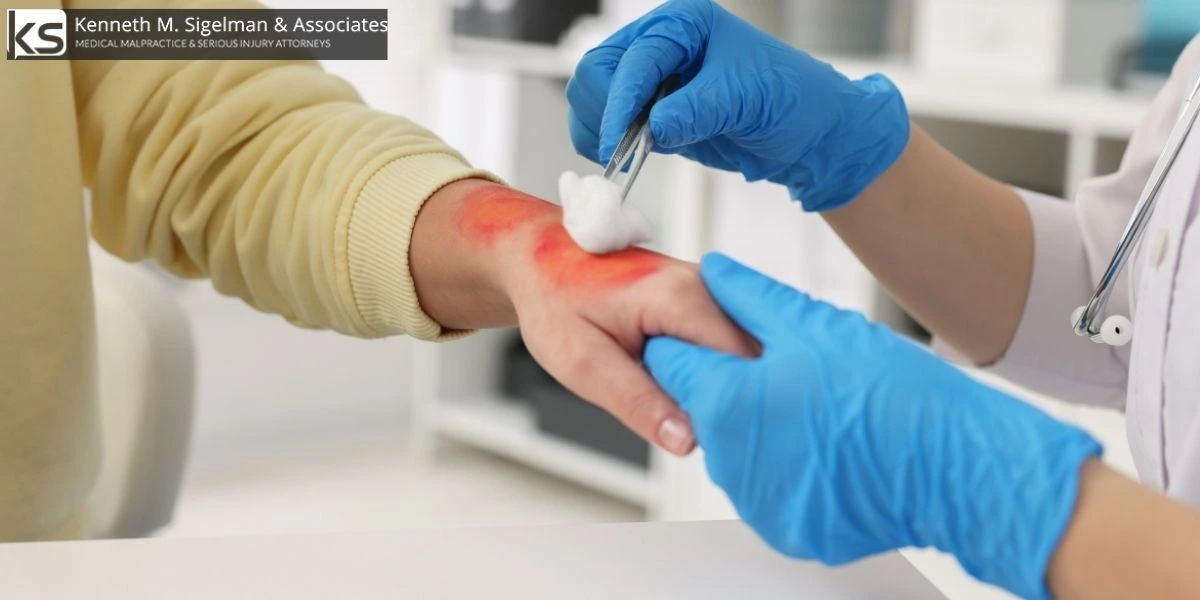
Burn injuries are exceptionally traumatic injuries, often resulting in substantial reconstructive surgery, nerve damage, disfigurement, and pain. If these injuries were caused by the negligence of someone else, you can file a civil claim to recover compensation. Injured individuals often wonder how different degrees of burns affect a California injury claim. More severe degrees of burns impact compensation, the professional support needed, and other factors.
Degrees of Burn Injuries
Burn injuries are classified by different degrees, determining how severe they are depending on the depth of the burn and how much surface area is injured:
- First degree. These are the least-severe burns and include injuries like sunburns or temporary contact with a hot object. They affect only the outer layer of your skin. These burns usually heal in a week on their own and require no medical intervention. Alone, they are likely too minor an injury to result in a civil claim for damages.
- Second degree. These burns affect the first layer of your skin and reach the second layer. They cause more serious injuries, requiring potentially weeks to heal. The skin is likely to blister and swell, and scarring is more likely. These burns are more likely to require medical care to avoid the risk of infection and other consequences, especially if they cover a wide area of your skin.
- Third degree. These burns impact both layers of skin and often affect the fat underneath the skin. Third-degree burns can cause the skin to look white or charred, and often result in nerve damage. Medical intervention is crucial for third-degree burns, as infection, hypothermia, and other consequences are more likely. They may also require skin grafts and surgery to treat permanent scarring.
- Fourth degree. Fourth-degree burns impact skin, fat, tendons, muscles, and even bone. They require significant medical treatment. The severity of the burns may require amputation of limbs or cause the loss of function of certain parts of the body.
In California, according to the Injury and Violence Prevention Branch of the California Department of Public Health, there were 29,406 unintentional injuries from fire and burns that led to emergency department visits, and 3,499 that resulted in hospitalization in 2024.
Burn Severity and Compensation
The most significant effect that burn severity has on your personal injury claim is the compensation you can recover.
In the U.S., unintentional fire or burn injuries that resulted in an emergency department visit in 2024 cost $88,861 on average, according to the Centers for Disease Control and Prevention (CDC). This included an average of:
- $5,657 of medical costs
- $1,131 of work loss costs
- $82,074 of loss of quality of life costs
When these injuries were caused by an intentional assault, they cost an average of $63,310 per person.
If unintentional fire or burn injuries led to hospitalization, then the CDC reported the cost increasing to $131,335 per person. This included average damages like:
- $41,511 for medical costs
- $9,300 for work losses
- $80,524 for reduced quality of life costs
When you have more severe burns, you require more medical care, and that medical care tends to be more costly. Other aspects of your life may also be more greatly affected, increasing other types of damages.
Damages That Are Affected by Burn Severity
Some of the damages that are greatly affected by how serious your burn injuries are include:
Immediate Medical Costs
The medical costs for burns immediately after they occur vary depending on how serious the injury is. Minor injuries may require limited medical treatment, while severe burn injuries can require emergency care, treatment for infection, specialized burn center care, skin grafts, rehabilitative care, and reconstructive surgeries. These costs are extensive. The deeper and the more surface area the burn affects, the more costly and the longer recovery is likely to be.
Long-Term Medical Care
Minor burns heal more quickly and generally cause fewer complications. Third- or fourth-degree burns are more likely to have long-term and potentially disabling consequences on your life. This includes revision surgery, physical therapy, dermatologist treatment, pain management, psychological treatment, medication, and at-home care needs.
Accessibility Needs
In addition to long-term medical care, there are other long-term costs associated with the injuries, like the need for prosthetics, mobility aids, and other accessibility costs. There may need to be modifications to your home or vehicle, or transportation costs. You may also need to buy specific clothes.
Lost Wages and Earning Potential
Burn injuries can require recovery time when you cannot work and can potentially affect your ability to work full time permanently. The more severe the burn injuries, the longer this impact lasts. If your burn injuries permanently disable you, you will likely recover significantly more compensation from the wages you should have earned throughout your lifetime.
Non-economic Damages and Your Quality of Life
Non-economic damages recover intangible losses. When burn injuries are serious, they are more likely to cause more serious intangible damages to your life. These damages can include pain and suffering, emotional trauma, disfigurement, reduced enjoyment of life, loss of consortium, scarring, and other consequences on your quality of life. More severe burns are more likely to cause chronic pain, limit your mobility, and impede other daily functions, increasing these losses.
Expert Witnesses and Professionals in Serious Burn Claims
The severity of your burn injury affects more than just the damages in your case. Professional experts are more likely to be needed for more severe burn injuries. Different expert witnesses can support unique aspects of the case, like:
- Medical professionals who are experienced in burn repair, reconstructive care, and plastic surgery can outline how serious the injury is, its impact on your life, the treatment available to you, and the costs of those injuries.
- Dermatologists can assess skin health, the scarring from the injury, and reconstructed areas of your skin to determine the long-term effect of the burns.
- Vocational professionals can outline the impact of the catastrophic injury on your ability to work and assess the compensation you should have earned throughout your career.
- Forensic analysts, investigators, and reconstructionists can assess how the fire, explosion, or substance exposure occurred.
- Medical professional life-care planners can assess the long-term costs of rehabilitative care and at-home needs.
The Benefits of a Trial or a Settlement
The severity of your burn can change the benefits and drawbacks of settling your claim through negotiations or taking the claim to litigation in court.
When your burn injury is minor, your damages might not significantly exceed insurance coverage limits that insurance companies put in place. It may be more beneficial to avoid the lengthy and public court process and secure fair compensation through a settlement.
However, if you have a more severe burn injury, reasonable compensation might be in the seven figures, and much higher than most insurance coverage policies. Taking the claim to trial might be necessary to recover those damages. Additionally, the public sympathy you may see in a jury trial can also help you recover more reasonable financial compensation.
preguntas frecuentes
What’s Worse, 1st, 2nd, or 3rd Degree Burns?
Third-degree burns are the most severe type of burn injuries among first-, second-, and third-degree burns. These burns affect the epidermis, the exterior layer of skin; the dermis, the second layer of skin; and the fat underneath the skin. They are more likely to cause nerve damage.
Fourth-degree burns are even more serious, impacting tendons, muscles, and bones, potentially requiring limb amputation because of the severe damage, or preventing use of the affected part of the body permanently.
Can You File a Civil Claim for 2nd Degree Burns?
Yes, you could file a civil claim for second-degree burns if those burns were caused in certain circumstances. This might include if you were burned in a vehicle collision caused by a speeding driver or if you were exposed to hazardous chemicals because another party failed to ensure they were in proper containers. Civil claims could also be filed against arsonists, the manufacturers of hazardous products, property owners, and other parties.
What Layers Are Damaged in a 2nd Degree Burn?
In a second-degree burn, the burn affects the epidermis and the dermis. The epidermis is the external layer of skin, which is affected in first-degree burns like sunburn or sudden contact with hot objects. The dermis is the second layer of skin. A second-degree burn can lead to swelling, pain, blotchy skin, blistering, and the potential for infection. Scarring is more likely in a second-degree burn.
Do You Need to Hire a Burn Injury Lawyer in California?
Although it’s not required, it helps to hire a burn injury lawyer in California if you believe your injuries were caused by someone else’s carelessness. An attorney can help you determine if you can file an insurance or civil claim for the injuries, and also increase the likelihood of a successful claim that recovers fairer compensation. They understand how to calculate your damages and connect with relevant professionals to secure those damages.
Find the Right California Burn Injury Attorney
Whether you are filing your claim with an insurance company or with the Civil Division of the Superior Court of California from the County of San Diego, Kenneth M. Sigelman y Asociados can help you recover the compensation you deserve after a burn injury. Ken Sigelman is both an experienced lawyer and a medical doctor, making him uniquely qualified to handle complex medical injury cases. Contact our firm Este Dia.

 EN
EN